



Wilberforce sat at his desk on that foggy Sunday morning in 1787 thinking about his conversion and his calling. Had God saved him only to rescue his own soul from hell? He could not accept that. If Christianity was true and meaningful, it must not only save but serve. ~~Charles Colson, preface to William Wilberforce’s “A Practical View of Christianity”
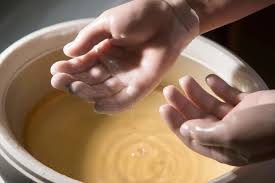
Paraffin wax is a white or colorless soft, solid wax. It’s made from saturated hydrocarbons.
It’s often used in skin-softening salon and spa treatments on the hands, cuticles, and feet because it’s colorless, tasteless, and odorless(scented paraffins come in a wide variety of scents). It can also be used to provide pain relief to sore joints and muscles.
Paraffin wax has many other uses, too. It’s often used as lubrication, electrical insulation, and to make candles and crayons.
BENEFITS
Paraffin wax is often applied to the hands and/or feet at around 100 degrees. The wax is a natural emollient, helping make skin supple and soft. When applied to the skin, it adds moisture and continues to boost the moisture levels of the skin after the treatment is complete. It can also be very soothing.
It can also help open pores and remove dead skin cells. That may help make the skin look fresher and feel smoother. An exfoliating scrub may be used along with this moisturizing treatment.
Paraffin wax may be used to help relieve pain in the hands of people with:
It acts like a form of heat therapy and can help increase blood flow, relax muscles, and decrease joint stiffness. Paraffin wax can also minimize muscle spasms and inflammation as well as treat sprains.
You should not use paraffin wax if you have:
The cost of a paraffin wax treatment varies greatly by salon. It generally takes around 15 – 30 minutes.

This country will not be a good place for any of us to live in
if it is not a reasonably good place for all of us to live in. ~Theodore Roosevelt
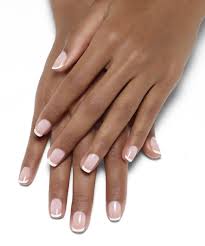
Will the client entering the salon be at ease by what they see? All things neat and clean, in their place and dust-free? A sense of confidence is offered when cleanliness is what is seen first upon entering the manicure or pedicure area. At some point, the method of sanitation may be discussed.
Where do germs live? How do we protect ourselves from them? Germs are everywhere. Some we need and some we don’t. The number one and most effective way to protect ourselves and others from the spread of any type of germ or bacteria is thorough hand washing. We have left the soak and water days and gone to the pocket hand sanitizer to answer the call of convenience and not necessarily full protection. We have relegated our protection to drying and harsh chemicals. It is much safer and better for our skin if we would just take a little time and wash with warm soapy water. As Mother Dear use to say, ‘Put some elbow grease into it.’ We don’t have time nor the elbow grease.
The Nail Technician is responsible for the protection of each and every client that he/she may touch and perform any type of beautification. The porous and non-porous items used must be washed, dried and sanitized/disinfected wet and dry) according to the state law.
Happy Pampering!
Seasons changes, companies change and you change.
Accept change.
Enjoy your GOD-given right to creatively pursue
and explore other opportunities.
Permit GOD to walk you through the next chapter of success.
(The Russian Manicure Continued)
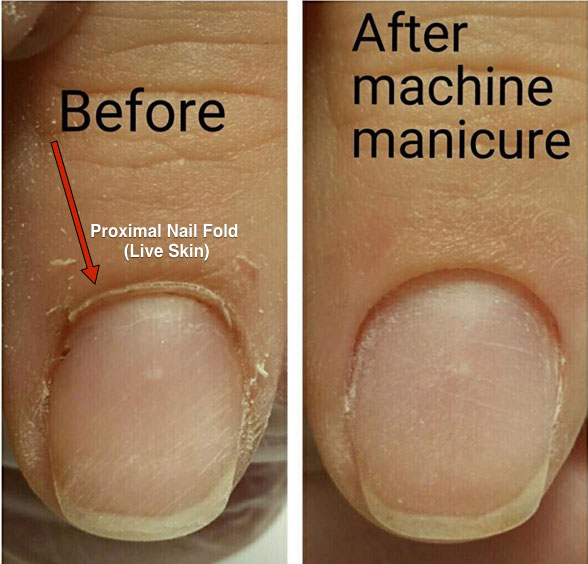
Some nail techs justify their actions by claiming to use only sterile or disposable implements. They naively believe this prevents infections. Wrong! Whenever the living skin is cut or abraded, the damaged area is more susceptible to infection for many hours or even days. The potential risk of infection will remain until the body heals.
Any bit spinning at thousands of RPM and placed against the skin surface will abrade the skin no matter the light touch.
This abrasion can reduce the skin’s effectiveness as a germ and bacteria barrier. It also makes it easier for infections and adverse skin reactions to occur.
Ask for that the drill not be used during your nail service especially on your skin. ~~ Nail Care HQ

WHAT WILL YOU DO?
 Dew Drop Nails